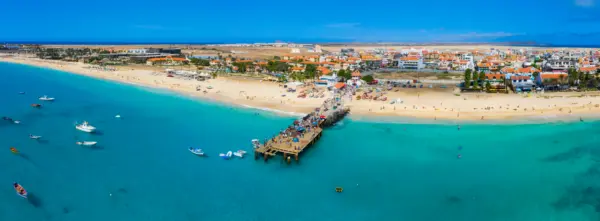
On islands like Sal and Boa Vista a car lets you leave the resorts and find empty beaches, salt pans and tiny fishing villages at your own tempo. You can cross from Santa Maria to Pedra de Lume without watching the bus timetable.
On Sao Vicente and Santo Antao, roads wind through lush valleys and high ridges with Atlantic views. Driving yourself means you can linger at mountain miradouros, stop for a village lunch and link remote trailheads in a single relaxed day.
At a glance
Drives onRight
Motorway tollCheck locally
CurrencyCape Verde Escudo (CVE)
Min. rental age21 years
Good to know before you drive
The essentials for a smooth, ticket-free trip.
🚦
Speed limits
Town50 km/h
Open road90 km/h
Motorway130 km/h
🅿️
Parking
Paid short-stay zones in city centres — buy a ticket and display it.
🍷
Alcohol limit
Typically 0.05% blood-alcohol limit; lower for new drivers.
🎫
Vignette / tolls
Check whether a motorway vignette or tolls apply — many rentals include one.
Renting a car? Watch this video first
▶
Why book with us
💸
Save up to 80%
Exclusive negotiated rates from 1,000+ rental companies.
🛡️
No hidden fees
No card or admin charges — every cost shown up front.
🔄
Free cancellation
Change or cancel free up to 24 hours before pick-up.
🎧
24/7 support
Real people, every day of the year, in your language.
What drivers say about Cape Verde
★★★★★★4.5
★★★★★5
"I rented a small SUV for a week in Cape Verde and everything went smoothly. Easy online booking, clear instructions at pick‑up and a really friendly local team. The car was spotless, handled the island roads well and drop‑off at the airport was fast and stress‑free."
A
Ana Paula Monteiro
Cape Verde
★★★★★★4.5
"I travelled with a friend and the service was fast, car clean and reliable. Only wished the fuel policy was explained better."
J
João Carlos Pereira
Cape Verde
★★★★★4
"We travelled as a family with two kids and the car was roomy and comfortable, with good air‑con for the heat. Child seats were ready as requested. The only downside was waiting a bit longer than expected at pick‑up, but overall it made getting around the islands much easier."
In Cape Verde it is wise to book a hire car at least 3–6 weeks before arrival, especially for Praia, Mindelo and popular islands during the dry season (November–June) and Christmas/New Year. Last‑minute bookings are sometimes possible, but choice of smaller 4x4s and automatic cars can be very limited on islands with fewer suppliers.
Most Cape Verde rental companies release the security deposit within 3–10 working days after you return the car, once they confirm there is no new damage, fines or missing fuel. Your bank or card issuer may then take a few extra days to show the refund. Some no‑deposit deals may avoid a held amount altogether.
The excess is the maximum amount you must pay if the car is damaged or stolen, before the insurer covers the rest. In Cape Verde it often ranges from about CVE 50,000 to CVE 200,000, depending on vehicle type. You can usually reduce this to a much smaller sum, or even near zero, by purchasing additional excess‑reduction or full cover.
Many suppliers prefer a major credit card in the main driver’s name for the deposit. However, on some Cape Verde islands you can find offers that accept debit cards or cash deposits, and a few special no‑deposit, no‑credit‑card deals. These are limited and may cost more, so always check payment rules in the rental conditions before booking.
Average prices vary by island and season, but a small car in Cape Verde typically costs around CVE 4,000–6,500 per day. Larger vehicles and 4x4s commonly range from CVE 7,000–11,000 per day, with higher rates during peak holiday periods. Extras like GPS, child seats and additional drivers are usually charged on top of the basic daily rate.
Bookingcar lets you compare prices from multiple rental companies in Cape Verde in one search, helping you quickly find competitive deals across different islands and car categories. By showing clear inclusions, conditions and customer ratings side by side, Bookingcar makes it easier to spot value for money and choose the offer that best fits your budget and travel plans.
If you return the car late in Cape Verde, rental firms usually charge an extra fee, often calculated per additional hour and then as an extra full day once you exceed a set grace period. This can be more expensive than extending in advance. Late return may also affect insurance cover, so contact the rental office early if you expect any delay.
Typical speed limits in Cape Verde are:
Urban areas: about 40–50 km/h
Main interurban / rural roads: about 80 km/h
Unpaved or poor‑surface roads: often lower, follow local signs and conditions
Near schools, markets and busy villages: speeds may be reduced further, with local signage taking priority
Always follow posted signs, as limits can vary by island and road quality.
Penalties depend on the offence. Typical consequences can include on‑the‑spot or later‑issued fines for speeding, illegal parking, not wearing seat belts or using a phone while driving. Serious violations, such as dangerous driving or drink‑driving, can bring higher fines, licence suspension or even criminal proceedings. Unpaid fines may be taken from your deposit or charged to your payment card.
Cape Verde generally applies a legal blood alcohol limit of around 0.05% (0.5 g/l) for private drivers. Police can carry out roadside checks, and exceeding the limit may lead to substantial fines, licence restrictions or other legal consequences. Given the limited road lighting and varying road conditions, it is strongly recommended not to drink at all if you plan to drive.
Fuel prices in Cape Verde are regulated and can change periodically, but as a recent indication, petrol often costs around CVE 140–170 per litre and diesel around CVE 120–150 per litre. Prices may differ slightly between islands and stations. Many smaller islands have fewer fuel stations, so refuel in good time, especially before longer rural trips.
There are currently no toll roads or vignette systems in Cape Verde. All public roads, including main routes on islands such as Santiago, Sao Vicente and Sal, are free to use. You will not be asked to pay tolls at barriers or buy a motorway sticker. However, standard parking charges may apply in some town centres or near popular tourist areas.
Ready to explore Cape Verde?
Compare live prices across Cape Verde.
🍪
We use cookies to improve your experience and analyse traffic. Learn more.
Leave a review
Share your rental experience — it will be published after moderation.